There is a plain fact to any Uluru itinerary in Australia: if the traveller does not want to be putting the pedal to the metal from one car park to another as though they have lost their mind, 3 days is the minimum. Two days will do for the big-ticket items, but with four or seven you can put in some extra walks and cultural time and not be in with the crowd at the prime viewing spots.
I am Lawrence Ashford. When it comes to making sense of an Uluru plan I would put this before a shiny brochure behind a desk, or tell a mate about it over a flat white. Here is the no-nonsense take on how to build an Ayers Rock schedule that is right for your budget and energy levels and what you can stand in the way of heat. You will get a feel for the costs, where to stay in Yulara, getting to and from Alice Springs and the kind of things that trip people up.
Make Allowance For The Days You Need

People are prone to think of Uluru as a place for a quick photo and be done with it. They are mistaken; the Red Centre is more forgiving of early starts and patience. My view is 3 days is where most should be.
What Is A Good Length For The Trip?
A 2 day Uluru itinerary is fine when you are flying in and out in a hurry and content to make of your time what you can at sunrise and sunset, do a walk and put in an appearance at Kata Tjuta. For detailed planning, check out this Uluru trip timing guide. Three days has better balance. You can do the Uluṟu-Kata Tjuṯa Cultural Centre and the base walk, or a guided tour and Field of Light, and not be under the weather by the second day.
For the 4 day mark and beyond you can afford to be less hurried, let the weather dictate your plans and rest in the height of the day. This is also advisable if you have kids or elders in tow, or are not keen on being up before dawn.
| Trip Length | Best Suited To | Realistic Expectations | Who Will Find It Hard |
| 1 Day | A tight stop on the road or in the air | A short Uluru visit, Cultural Centre, one sunset/sunrise | Anyone who wants to do Kata Tjuta justice |
| 2 Days | Those on a short break | One walk, a Kata Tjuta stop, the sunrise and sunset at Uluru | The keen walker or slow traveller |
| 3 Days | First timers | The 10.6km base walk, Field of Light, Cultural Centre, a full 3 day plan | All but the very relaxed |
| 4–7 Days | Families, photographers, cultural types | Time to rest, a buffer for the weather, repeat light-viewing, a Kata Tjuta itinerary | On a hard budget |
Choosing Your Season
You would be surprised how much of a difference timing makes in the Red Centre. The heat will determine your enjoyment or leave you as wilted as a bunch of parsley in the supermarket by afternoon.
The Way Things Are Month By Month
From April through September you will find the days easier to handle for walking and the mornings are of a crispness that means you are not going to be cowed by the sun on the Uluru base walk. Then there is June and July which can be cold in the morning; don’t show up in shorts and nothing but optimism.
October and November are workable provided you are organised for the sunrise and have the rest of the day to put in some shade or a nap. Come December to February you are in serious heat country and some tracks will be off limits when the temperature dictates.
Parks Australia’s site for the Uluru-Kata Tjuta National Park is where you will get your current facts on access and alerts. They will tell you in no uncertain terms that conditions can impact on your plans, which may not read like a thriller but is something to consider before heading for the Valley of the Winds or back to the air-con.
Reality Check
One might expect the dry outback air to make the heat bearable. In practice the direct sun and exposed tracks will have you down on your water faster than you thought, particularly coming from a cooler clime.
How to Make Your Way In
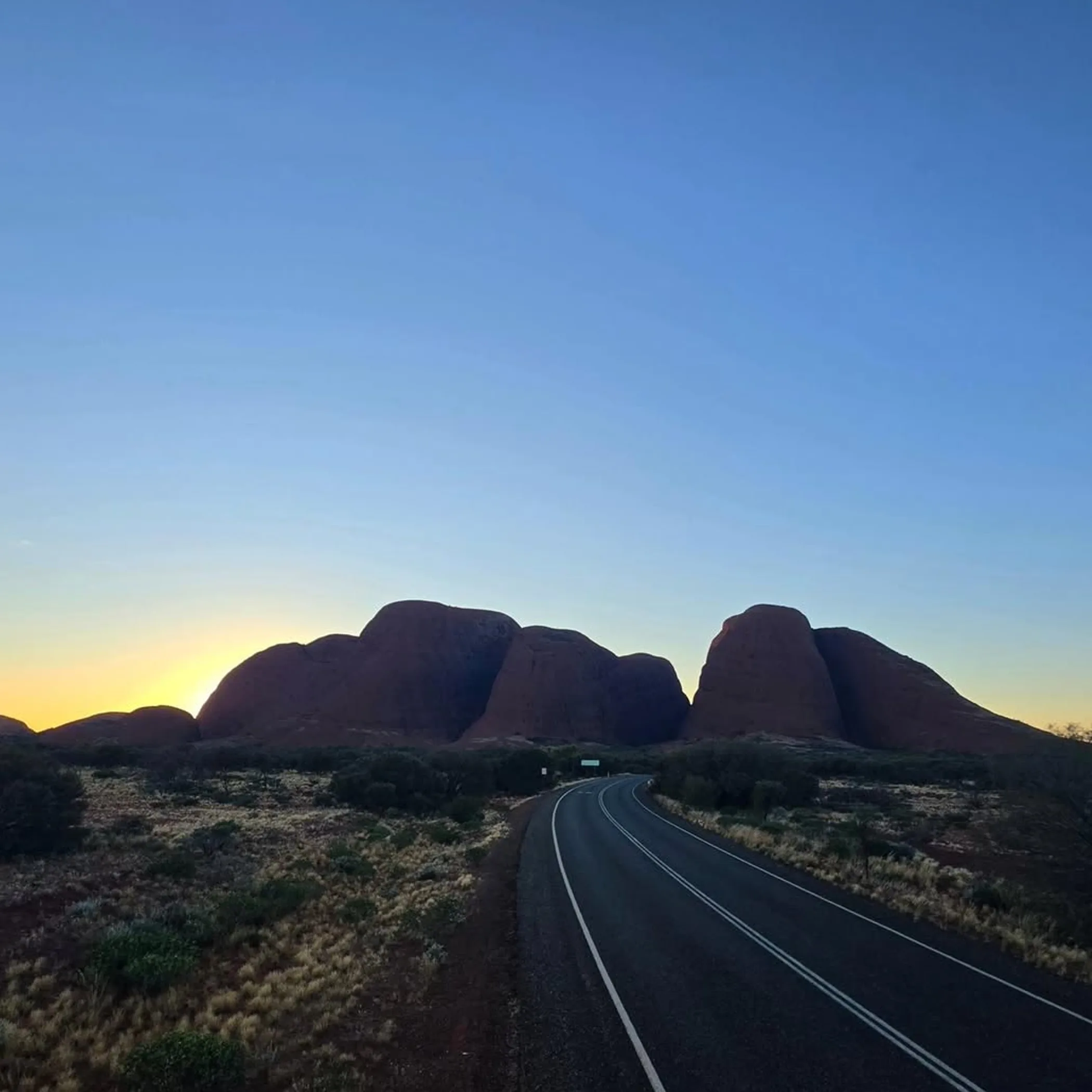
There is no wrong way to get to Uluru, but you will have to make a choice between your time and your flexibility. You can put in the hours on an outback road from Alice Springs or fly into Ayers Rock Airport (AYQ) and be there with far less effort.
Flying To Ayers Rock
For the majority of visitors the sensible thing to do is fly into AYQ. The airport caters to Yulara and the national park, and with transfers to Ayers Rock Resort on hand it makes for an untroubled trip when you are only putting in a few nights. This is what couples and first-timers tend to prefer; they would rather be at the sunrise viewing area than behind a windscreen. It also precludes any chance of misjudging the distances, which in the outback is easy to do given how deceptively flat and harmless the map appears.
A Drive From Alice Springs
The 450 kilometres to Uluru are perfectly manageable in a standard vehicle on the sealed roads, provided conditions are normal. Allow some 4.5 to 5 hours for the driving itself, more if you factor in fuel, a break or two, photo opportunities and any road works.
Monotony and fatigue are what gets people, not the difficulty of the drive, to say nothing of the wildlife hazard at night or around dawn and dusk. When you are in the outback do not be in a hurry to put in the miles after dark, see that you have water and a full tank, and don’t count on a servo being just round the next bend. Show some respect for the road trains and leave them room, no point mucking about with an overtake.
Smart Staying in Yulara
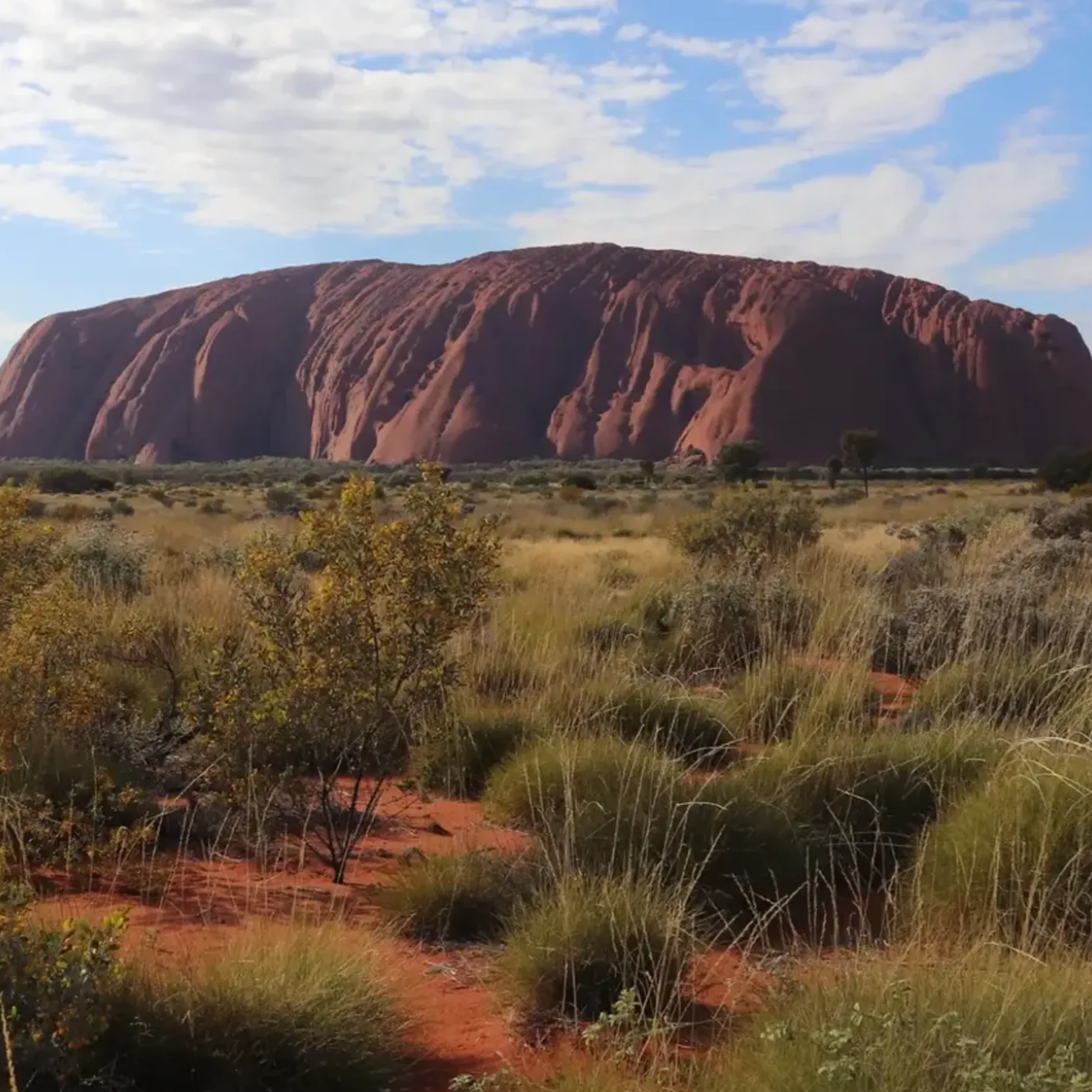
You will find most travellers have made for Yulara and the vicinity of Ayers Rock Resort. Some are taken aback to discover they are not camping at the foot of Uluru, but the arrangement is more practical for planning your day, particularly with the sunrise and sunset excursions.
Accommodation That Is Worthwhile
Yulara is not where one goes for a bargain. Costs for food and lodging will be higher than in the big cities by virtue of the remoteness. A room at Ayers Rock Resort may seem like good value until you are purchasing every meal on site, so if budget is a consideration look at self-catering and book in advance. For certain types of traveller a third night in a modest room has more to recommend it than squeezing an itinerary into two days of haste.
An Itinerary With Some Sense
Do not let your wish list dictate your Uluru plans, put your energy first. As Lawrence Ashford puts it, make the experiences requiring low light or cool weather your priority and put your meals and cultural stops in around them.
- 1 Day: One sunrise or sunset and the Uluṟu-Kata Tjuṯa Cultural Centre are in order, perhaps the Mala Walk or Mutitjulu Waterhole if you can. Don’t be trying to do both Uluru and Kata Tjuta justice in a single day unless you are happy to be running late all the while.
- 2 Days: Get in and see the Field of Light and the sunset viewing area on the first day. The second is for the base walk or Mala Walk, the Cultural Centre and a late departure.
- 3 Days: The best all-rounder to see Uluru and The Olgas at a decent pace.
- 4 Days: Throw in a guided cultural tour, an extra sunrise or sunset and some leeway for the heat.
- 4 to 7 Days: If you are a photographer or walker of a slower disposition and have no patience for rushing.
A Three-Day Plan for Uluru
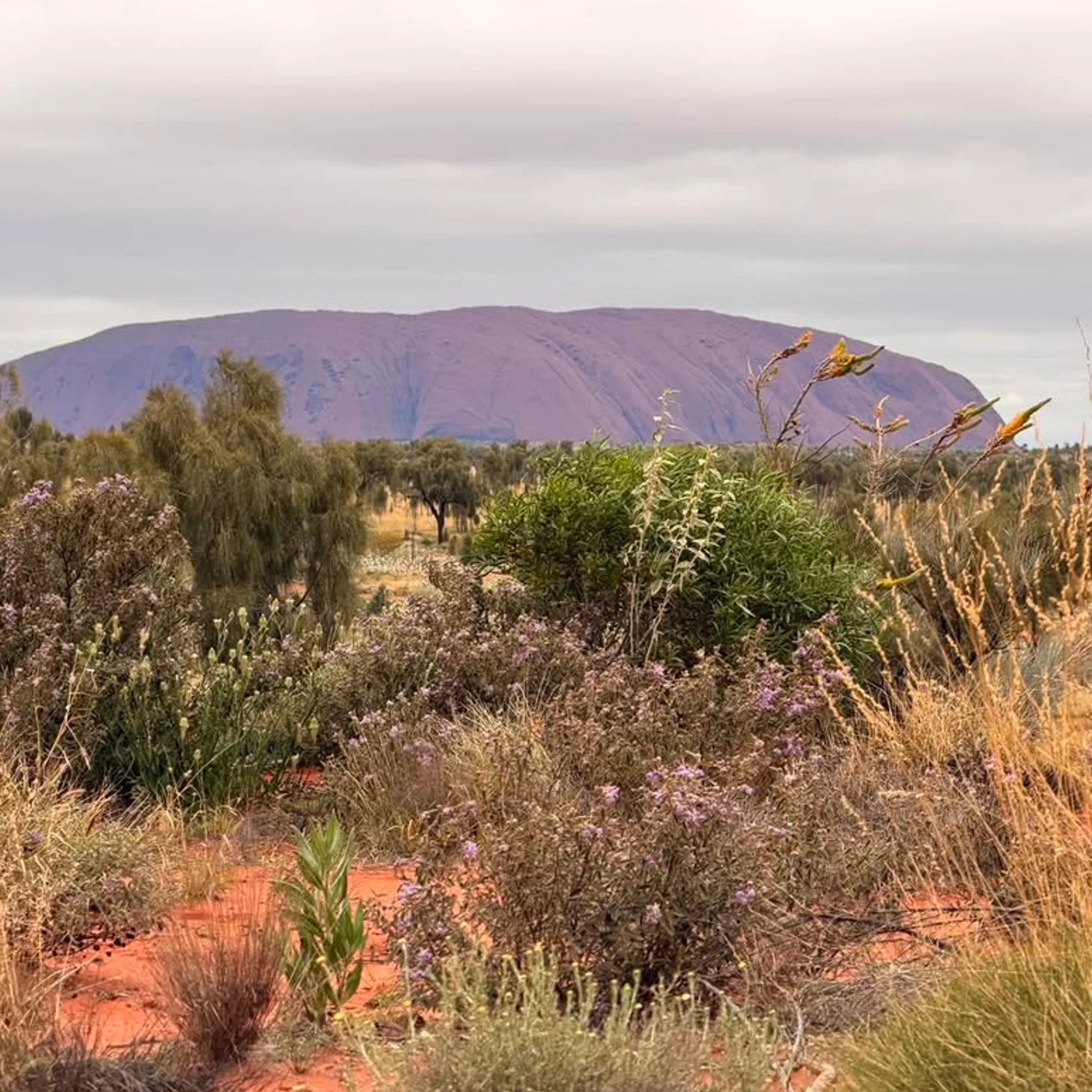
This is as practical an answer as you will find for an Australia Uluru itinerary. Three days affords the iconic moments and culture along with the breathing space to deal with the heat and whatever else comes up.
Day One: Arrival and Sunset
Make your way in from Alice Springs or land at AYQ by early afternoon. Once you have checked in at Yulara and put away the hats and snacks and have your park pass in order, get to the sunset viewing area before it is swarming. Leave it too late and the shuttles and parking will ruin the evening.
When the sun is down, put Field of Light on the agenda if you are so inclined. Bruce Munro’s Field of Light is an experience many will write off as touristy beforehand only to concede once the desert has gone dark that it is quite something.
Uluru Proper: Day Two
Be at the sunrise viewing area in time for first light. From there you can make the most of a proper Uluru morning before the heat becomes an issue. A base walk is to be had if one is up to it and the conditions are right; the 10.6km of it is no technical challenge but then again it is long, with some exposure, and in the heat more of an ordeal than the distance would have you believe. Should the full circuit not appeal, there are shorter ways to go like the Mala Walk or over to the Mutitjulu Waterhole. Put in a trip to the Uluṟu-Kata Tjuṯa Cultural Centre later on for an insight into Anangu culture and what cultural respect means in this place. As for climbing Uluru, do not put that on your agenda. It is closed and culturally wrong; any good itinerary will leave it at that.
Day Three: Kata Tjuta
The last day is for Kata Tjuta. An early start is called for as the walking is better in the morning. Many will tell you the Valley of the Winds is the highlight and they are right, yet it is harder work than the casual observer might think. With the uneven terrain and the heat and exposure one has to be serious about it. For those who have put in a long drive or are not seasoned walkers, or anyone with limited mobility, it is better to opt for a less taxing Kata Tjuta route than to force the whole thing and end up making a slow trek back to the car park. There is no disgrace in taking the easier section of a track.
Some notes on the big highlights
A camera and a rock are not all there is to Uluru. The difference between a visit where one feels they have simply been through the motions and a good one is in the mix of experiences: the light, some walking, learning from the culture and not being in such a hurry.
Bookings to make ahead of time
Everyone does the sunrises and sunsets but the ones with fixed times or a cap on numbers are the ones to put down early. You will find Field of Light, certain dining and guided cultural tours get taken during the busier periods. Get them in order while your dates are still open. Do not expect the first evening at the popular sunset spots to be deserted; if you want to be alone there, put in the time and come back another day.
Practicalities
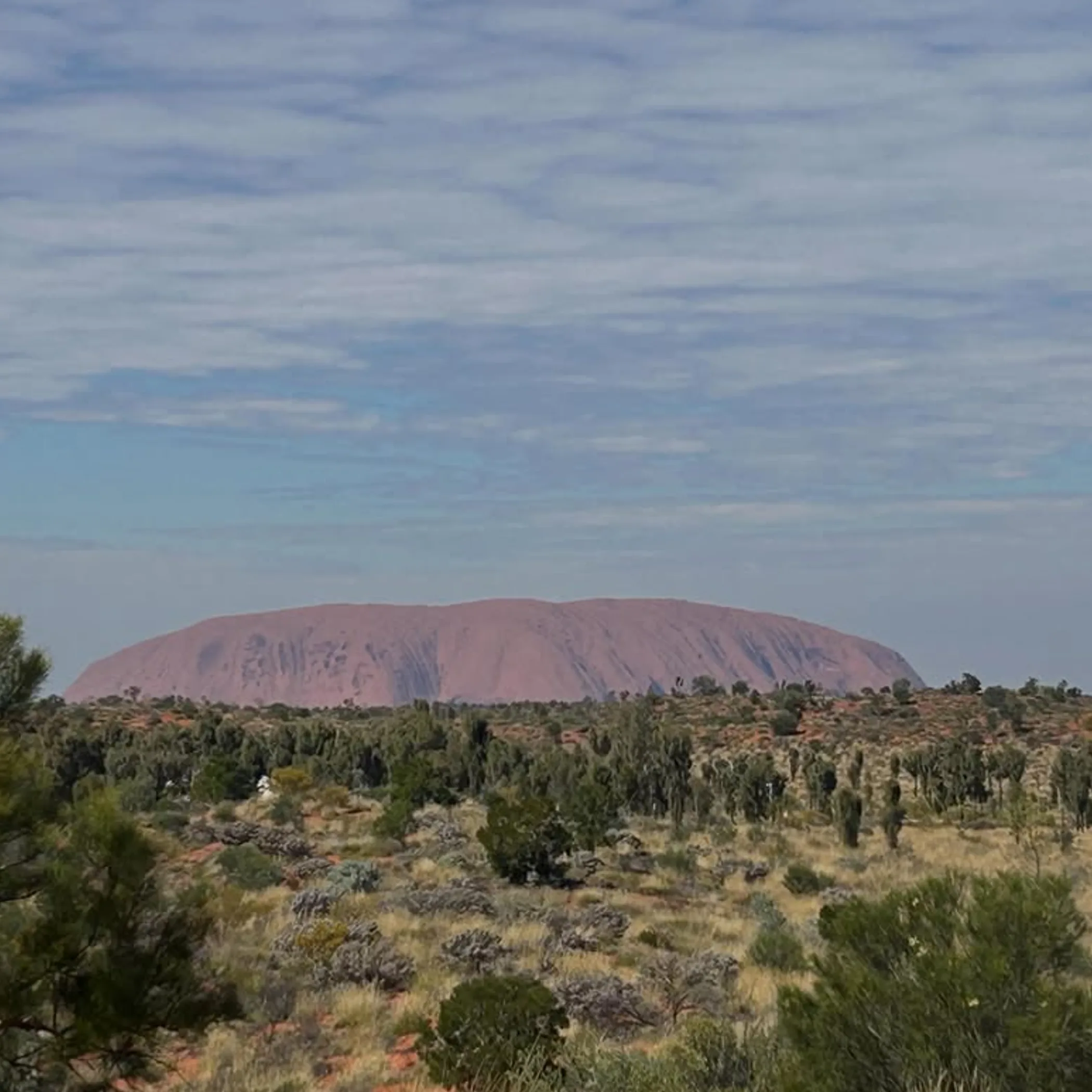
This is what spares one a headache. One can take forever to decide on a sunset and then overlook the park pass or the water requirements for a walk, or miscalculate the mileage from Yulara to Uluru and Kata Tjuta.
On access and passes
A pass for the National Park is a must. Procure one ahead of time and check Parks Australia for any changes to access. The distances here are not insubstantial so do not think of strolling from one attraction to the next. Parking at the main sites is no problem unless you are late for a sunrise or a well used walk, in which case there is more faffing about and less to choose from. And accessibility is not the same everywhere; you will find longer tracks like Valley of the Winds less accommodating to limited mobility than some of the viewing areas.
Mistakes and safety
Desert conditions should not be taken lightly. See to your sun protection, have more water on hand than seems necessary and steer clear of long exposed walks when it is at its hottest. Heat and dehydration are far more of a concern than the odd snake or other wildlife, and poor timing is the usual culprit. It is an error to put in for a full day of walking at Kata Tjuta and do the Uluru base walk to boot on top of scant sleep, all in the heat of the day. On paper the plan looks efficient; in practice it is a recipe for frayed tempers and finding one in the shade with a cold tinnie and a few words to say about it.
Packing For Reality
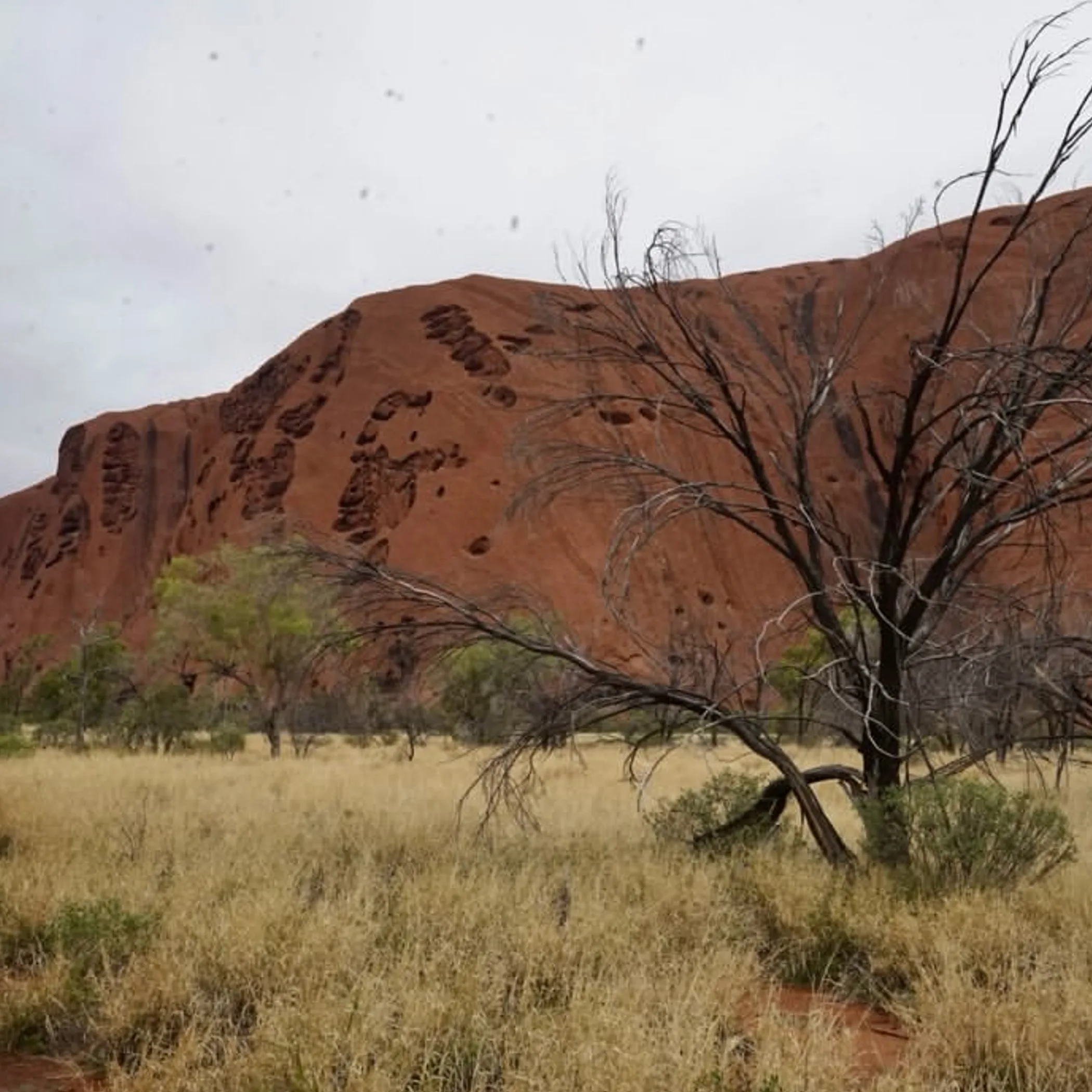
When you pack for Uluru you are concerned with function, not fashion. The morning will be cold so have your layers, but by late morning you want no less than proper sun protection. And make sure your shoes are ones you can put your trust in on dusty or rocky going.
- Sturdy shoes, a hat, sunglasses, lip balm, sunscreen and water bottles you can refill.
- A torch or headlamp and something warm for dawn. Snacks, first aid of the basic kind, and a way to charge your phone.
- Those driving should have spare water, know where they stand on fuel, check their tyres and not overstate what daylight will allow.
Respect Country Properly
Uluru is not some theme park set piece. It is part of the Anangu culture that is alive here, and good itineraries will reflect that rather than be all about getting a photo. Lawrence Ashford would be the first to tell you to allot more time at the Cultural Centre than you might at first think.
Heed any cultural guidance, keep to the marked tracks and observe where photography is off limits. Put in for a guided tour of the culture and you will see the landscape in a different light; it is the difference between a meaningful outing and a perfunctory tick of the bucket list.
A Better Trip
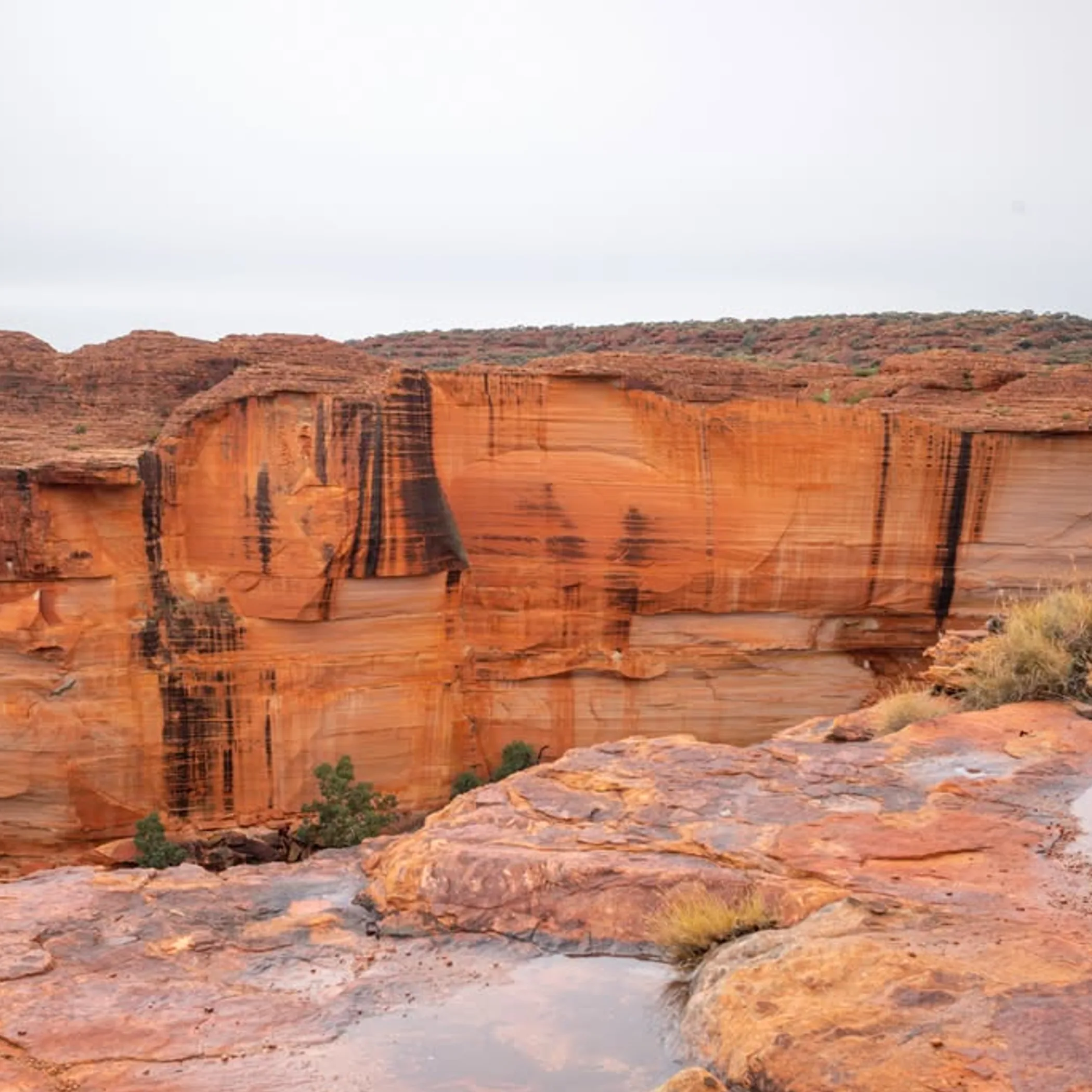
The simplest course is to put 3 days down in Yulara and organise them around a sunrise and sunset, a whole morning for Uluru, another for Kata Tjuta and some cultural experience. Most making their first visit to the national park will find it is the sweet spot.
There is nothing complicated about an Uluru itinerary if done right. Sensible timing, respect for Country and expectations that are realistic will see to that. Do well by those and the trip is calm and memorable, none of this feeling you have been at odds with your timetable in a car park for half of it.
FAQ
How many days in Uluru?
Three is sufficient for most to take in Uluru and Kata Tjuta, the Cultural Centre, the sunrise and sunset at a leisurely pace. You can do it in two but it is tighter. One day is for when you are content to stick to the bare necessities.
Planning a trip to Uluru
Determine how long you will be there and whether you are flying into Ayers Rock (AYQ) or making the drive from Alice Springs. Have your accommodation in Yulara and park pass in order, and time your long walks for the cooler part of the morning, leaving the weather to dictate your plans for sunrise and sunset.
What month is best?
The cooler months of autumn through winter tend to be the most agreeable, and easier for walking. But whether you want a warmer day or fewer people around will make the best month a matter of preference.
Nights in Ayers Rock
For a first visit three is the ideal number. Two will do for a compact schedule but with three you have a margin for the elements and walking fatigue, and can better time your visits to Kata Tjuta and Uluru.
Is Kata Tjuta to be preferred to Uluru?
Not better or worse, just different. There is an iconic quality to Uluru and the cultural pull that draws people in, whereas at the Valley of the Winds and elsewhere Kata Tjuta has a way of giving the walker a more physical track.
