There is a straightforward way to put it when it comes to the cosmetic tattoo regulations in Australia for 2026: there is no one national licence that covers permanent makeup practitioners. Instead you have eight state and territory regimes looking after registration, age limits, hygiene and the premises, with Commonwealth law on chemicals covering a good deal of what goes into the ink.
The distinction is important. You can be in order with one regulator and still overlook an infection-control rule, a chemical-import requirement or some council notification. I am Lawrence Ashford and in this guide I set out the kind of practical checks for client and practitioner alike; I make no pretence that the legal side of things is as uncomplicated as putting in an order for a flat white.
How The System Works
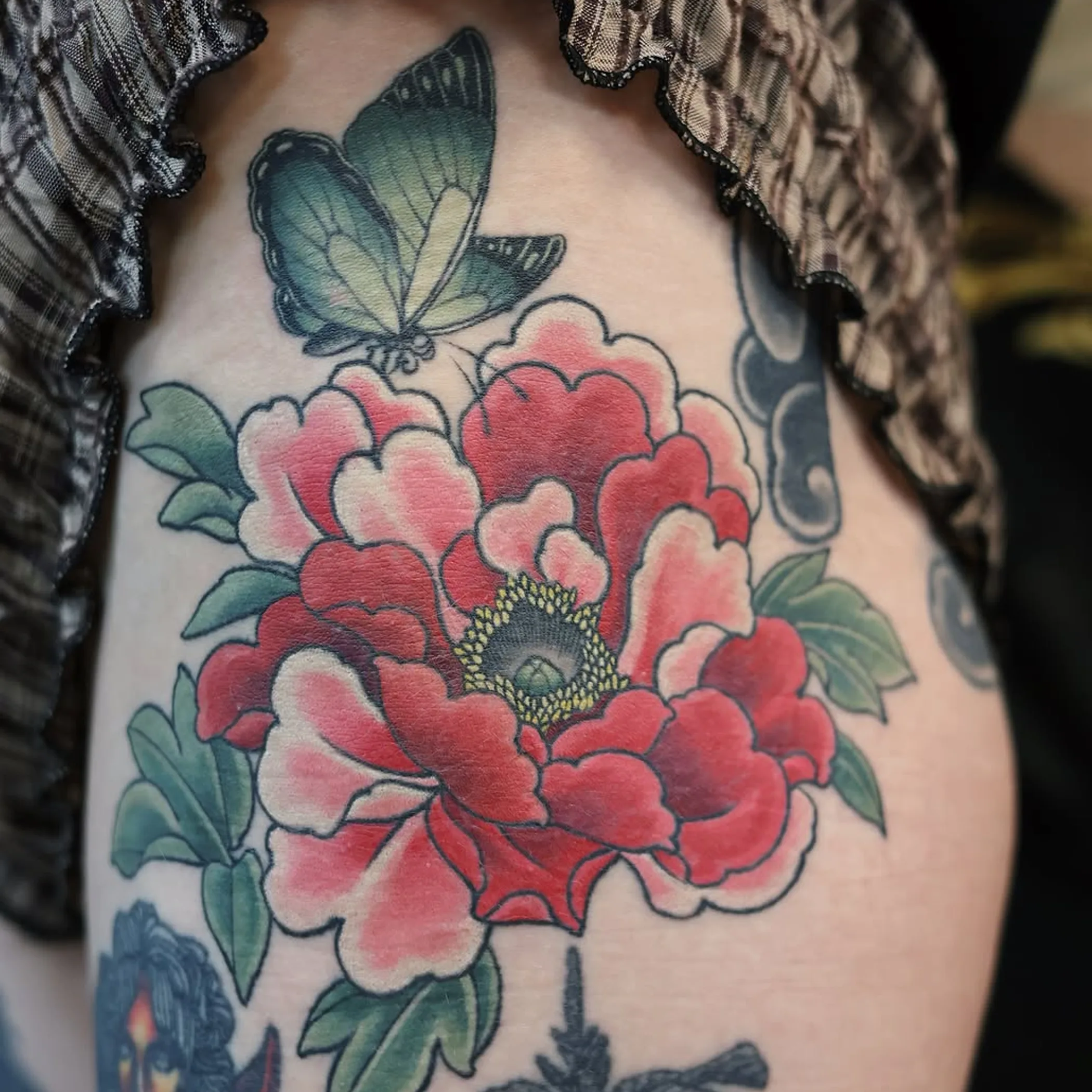
In most cases the laws around skin penetration are what apply to cosmetic tattooing, given the use of needles to put pigment under the skin. One will find the nomenclature varies from place to place, with regulators calling it public-health risk activities, personal appearance services, beauty treatment or plain old tattooing. Ink choice, including vegan synthetic ink safety, is another consideration.
Under the banner of PMU or permanent makeup you have lip blush, scalp micropigmentation, permanent eyeliner and cosmetic eyebrow work. But do not think the law lets you off the hook because the procedure is marketed as semi-permanent or the effect is meant to be subtle and temporary.
Several Regulators, One Service
An operator has to contend with the health department of the state or territory, local council, workplace-safety people and the Commonwealth for its chemical rules. Then there are the separate demands of business registration, waste disposal and building use. Training providers and insurers may have their own conditions but they are not a stand in for legislation.
So rather than a universal licensing scheme for cosmetic tattooing in Australia there are eight sets of jurisdictional rules. Be particularly circumspect with mobile or interstate guest spots; being compliant at your home studio does not give you carte blanche to put in an appearance at a salon or event somewhere else.
Compliance Is For Protection
A cosmetic tattoo is an intentional wound in close proximity to the face. Proper regulation is what keeps down the chances of blood-borne or bacterial infection, scarring, pigment migration, allergic response and the odd legal row.
Then there is the matter of giving clients the right information on removal, healing and how permanent something is. A “semi-permanent” label is no assurance the pigment will vanish entirely even if it changes colour or fades. The before and after shots are too polished to show how often the expectation gap gets people.
More Than Just Needles
Your hands, a work surface, a bottle or pigment cap, a cleaning cloth or any equipment you handle in contaminated gloves can all be sources of contamination. New gloves are not going to clean a trolley. What is required for infection control is an orderly workflow from prep to the bin.
And the legal exposure is not confined to infection. Inadequate patch-test explanations, claims that mislead, not recognising contraindications or venturing beyond your competence will lead to complaints and trouble with your insurer as readily as poor consent records.
What Each Part Is Regulated By
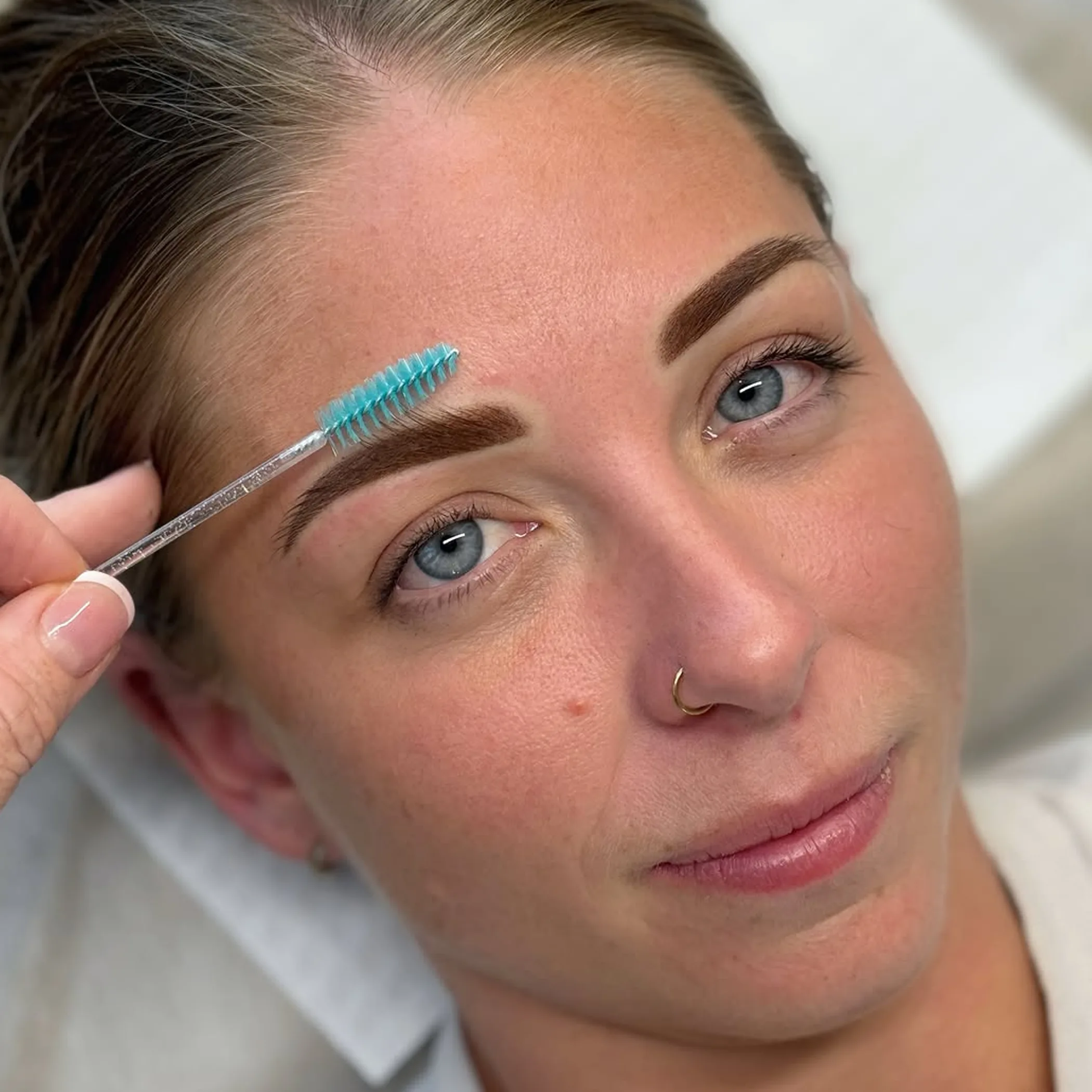
If one wants to get to grips with the 2026 permanent makeup laws in Australia, separate the chemicals from the conduct. States and councils will regulate the running of skin penetration services, while the Commonwealth has its say on industrial chemicals.
Take AICIS for instance. It is not in the business of vouching for a finished ink as safe for every client. Its remit is the management and introduction of industrial chemicals and the duties incumbent on an Australian importer or manufacturer.
| Regulatory Layer | Typical Responsibility | Practical Check |
|---|---|---|
| Commonwealth | Industrial chemicals coming into Australia | Make sure the manufacturer or importer is up on his AICIS obligations |
| State Or Territory | Age, consent, public health and skin penetration | See what the current rules are where the treatment is done |
| Local Council | Any necessary local approval, inspection or notification | Put in a call to the council prior to any opening or renovation |
| Workplace Regulator | Hazardous substances, sharps and worker safety | Have your incident controls and procedures in place |
| Insurer | Treatment conditions and policy eligibility | Get in writing that the procedure is covered |
A View Of The States And Territories
The following table is for planning purposes only, not to be taken as a replacement for the legislation and council requirements of a given address. Councils in the same jurisdiction can be at odds over how they run an inspection or registration and the rules are subject to change.
It is more useful to ask what the health, business, waste, chemical and consent rules are for the service and location in question than to wonder whether a tattoo licence is needed.
| Jurisdiction | Main Regulatory Position | What To Verify Locally |
|---|---|---|
| New South Wales | Public-health controls see cosmetic tattooing as a skin penetration procedure. As a rule the council will want to be involved with premises doing regulated work. | Put to the council your notification or registration status, check the minor-consent rules and ensure you are meeting standards on hygiene and the premises. |
| Victoria | Registration and compliance are the province of the local councils for skin penetration and tattooing firms under Victorian public-health and wellbeing controls. | Before you start trading you should have your council registration in order and be clear on the recordkeeping, premises and age requirements. |
| Queensland | The personal appearance services framework in Queensland is what governs cosmetic tattooing. Being a higher-risk service, it has to meet infection-control and local-government standards. | One should make sure the premises and the service are covered by a local-government licence and that an infection-control qualification is called for. |
| Western Australia | In Western Australia skin penetration is a matter for state health, with the local government seeing to environmental-health oversight. | It is advisable to put the WA 2026 position on skin penetration laws to the test as well as any need for local notification, infection control or approval of the premises. |
| South Australia | Public-health and safe-practice rules apply to body art in South Australia. | The council and the state health authority can be asked about what is expected in terms of consent, waste, hygiene and the premises. |
| Tasmania | Tasmania has public and environmental-health controls over tattooing and skin penetration. | Check with the council on their rules and guidelines, not least for clients of under 18. |
| Australian Capital Territory | ACT authorities will have the answer on the requirements for minor-consent, records, sterilisation and the like; these fall under public-health rules for skin penetration and infection control. | Verify notification, premises, sterilisation, records and minor-consent requirements with ACT authorities. |
| Northern Territory | Operators in the Northern Territory need to take account of local premises and public and environmental-health dictates. | Put it to NT Health to be certain, especially if running a remote, temporary or mobile operation. |
New South Wales
Regulations for cosmetic tattooing in NSW 2026 are found in the skin penetration provisions of the public-health law and with local councils. An operator would do well to start there. A beauty-salon approval does not of itself extend to tattooing; the introduction of PMU may alter the risk profile and what is required for compliance at the premises.
Victoria
Registration with the local council is the practical concern under the 2026 regulations. While the Victoria Department of Health will issue its guidance, it is usually the council of the premises that is concerned with registration and inspection. A studio in Geelong and one in Melbourne might be working from the same state model but have different council procedures to contend with.
Queensland
Cosmetic tattooing is considered higher risk in the eyes of the Queensland Government due to the skin penetration involved. The 2026 regulations are part of the state’s personal appearance services system and put a premium on local-government licensing, the competency of the practitioner and infection control.
Western Australia
As with all skin penetration work, tattooing is regulated here by the state and local government. Before putting in a treatment room, a practitioner should find out if an inspection or some form of premises approval is in order. To learn after one has taken on a long lease that the room layout or the sink is not up to scratch is a costly lesson.
Other jurisdictions
Be it the NT, the ACT, Tasmania or South Australia, the health risks of skin penetration are regulated, but the way they are administered varies. There is no point in taking a studio plan or form from another state. In the Top End the wet season is no legal get-out of hand when it comes to sterile storage, waste disposal and having clean water for mobile work.
On the subject of ink
The 2026 tattoo ink regulation in Australia is open to misinterpretation. The industrial-chemicals regime may come into play with imported or locally made products, yet that is not tantamount to pre-market approval for intradermal use of the finished article. The Australian Industrial Chemicals Introduction Scheme sets out what is obligatory. Even when purchasing from an Australian distributor a practitioner ought to have the supplier details, batch and ingredient data and safety papers to hand.
Do not be swayed by a label
A leaf logo and pleasant packaging is no substitute for looking at the facts when it comes to the safety of vegan synthetic inks. Descriptors like non-toxic, organic or cruelty-free say nothing of sterility or fitness for implantation. What matters is the ingredients, contamination control, traceability and any record of adverse reactions.
Then there is REACH. The EU chemical regulation will have its effect on the documentation and formulations of international pigments, but being in line with Europe is not the same as an Australian stamp of approval.
Keep a full record
One should be able to link a client to the brand, colour, lot number, expiry and date of treatment for the ink used. Should there be a recall or an investigation of an adverse reaction, this makes it manageable. Lacking such a trail, sifting through months of appointments for a suspect bottle is rough going.
Leftover pigment is not to be decanted back in or put to use again. Bottle tips must be kept from contaminated gloves and surfaces and single-use caps thrown away.
There is no Commonwealth PMU qualification that is a ticket to practise anywhere in Australia. Insurance, business registration, council approval and training are distinct issues.
An organisation like the Omniattoo Academy will put on courses to impart business practice or technique; then there are the industry viewpoints one might get from a group such as the Australian Tattooists Guild. But do not think that having a certificate or being a member of an industry body is any substitute for what is statutorily required. Insurers including Upcover have their own policy conditions to contend with, apart from government licensing.
Common Pitfalls for Operators
One can show they are educated with a certificate but it does not mean the council has given the premises its approval. A council registration is no guarantee either that a practitioner is competent, has insurance and is allowed to do all the treatments on offer. It is best to request the evidence for these things individually.
Those operators who would make the move from a salon room in rented space to a home studio ought to check the rules of the landlord, the body-corporate, the council and planning before they put out any bookings. A treatment room in close proximity to pet access, the laundry or where food is prepared raises hygiene issues of a kind that even a greyhound with strong opinions would recognise as a boundary.
Age And Consent
There is no consistency to tattoo age limits in Australia and a parent’s say so will not render every procedure lawful. One jurisdiction will have different definitions and exceptions than another when it comes to prohibited areas, documentation and the like.
A minor should not be served on the strength of a “beauty treatment” label for an eyebrow, lip or eyeliner procedure if it could be construed as a statutory form of tattooing. The prudent thing is to record the evidence and make sure one is in line with the local provision.
Meaningful Consent
For consent to be valid it must encompass the procedure and aftercare, the likely healing and permanence, any risk of colour change, infection or allergy, photographs, touch-ups and what can be done by way of removal. Meaning is open to question if there is pressure from someone else, a language impediment, medication or intoxication.
In the case of an under 18, the practitioner needs to be sure the treatment is allowed, whether a guardian is to be present and what written consent or identification is called for. A text from “Mum” is not verification to be relied upon.
Hygiene in the Studio
Infection control in cosmetic tattooing is an exercise that should be in place before the client walks in and not end until the waste is gone. You can have a room that appears spotless yet the separation of clean from contaminated equipment is wanting.
The state standard and any direction from the council are ultimately what counts, though this checklist addresses the essentials. Every one who assists, sets up or cleans should be trained and procedures put on paper.
- Have handwashing facilities as the premises require, with liquid soap and something single-use to dry with.
- Needles or cartridges are to be sterile and of the single-use variety, disposed of in a sharps container without delay.
- Put single-use equipment in order ahead of the treatment and see that it is not contaminated.
- Between clients, disinfect and clean the surfaces with products and contact times that are appropriate.
- Don the right gloves and switch them between tasks; hand hygiene is necessary once they are off.
- Equipment not easily cleaned should be put behind a barrier and the barrier changed for the next client.
- Reusable instruments are to be reprocessed, which entails cleaning and sterilisation in some cases, by a process that has been validated.
- Document everything from the pigment batches and sterilisation cycles to incidents, aftercare and consent.
- Contaminated waste, chemicals, dust, aerosols, pets and food should not be in the vicinity of clean stock.
- There should be exposure-response protocols for needlesticks, spills and any infection suspected.
On Sterilisation
You do not sterilise a reusable instrument by wiping it down. If critical equipment of a reusable nature is to be used, the requirements can be exacting: proper packaging, records, monitoring and autoclave cycles that are validated, as well as a good cleaning. Single-use items may simplify the reprocessing but the obligations regarding surface and hand-hygiene and waste are still there.
Before Booking
Clients are not expected to put you through a cross-examination. There is more to be had from putting a few pointed questions to someone than from a display of certificates and photographs behind a wall.
In the way one would for a pre-opening audit, practitioners should run their own checks. This is especially so when one is in the process of registering a cosmetic tattoo studio with the council or introducing PMU to a beauty business; any gaps ought to be put right before deposits are taken.
- Find out from the council in question if the services on offer at the premises in hand are subject to registration, licensing, an inspection or notification.
- Make sure you have sight of current professional insurance for the procedure in name, as well as proof of the practitioner’s training and infection-control skills.
- Observe that sterile needles are opened in front of the client and pigment goes into new single-use caps.
- Put in a request for the ink’s brand and supplier, its ingredients, batch and expiry details.
- Consent and aftercare papers should be read prior to the treatment, not once the numb cream has been applied.
- Any allergies, skin conditions, medicines, pregnancy or past reactions must be put on the table and medical counsel sought if need be.
- Should an adverse reaction occur, keep the product and batch information or a photograph of it.
- And do not hesitate to put persistent heat, redness, pus, fever, eye trouble or systemic illness in front of a health professional without delay.
Common Questions Answered
What follows are answers to some of the matters that tend to confound the law, fashion and pricing of cosmetic tattooing. In brief, safety, value, legality and popularity are distinct things.
Rules can be altered by an amendment to public-health instruments or by the council, so check them where and when the treatment is to be done.
Face Tattoos: are they legal?
Not outlawed across Australia, but there are requirements to be met in terms of consent, age, the practitioner and public health. The same is true of cosmetic work on the lips or around the eyes which presents its own health risks. Even a service that is above board demands proper hygiene, consent and the necessary approval of the premises.
Is the tattoo trend waning?
Nothing in the available data would suggest 2026 will see tattoos fall out of favour. Consumer tastes and styles may evolve yet the legal obligations stand. It is better for a practitioner to look at local demand with some certainty than to be swayed by what social media has to say when making an investment.
A charge of AUD 200 an hour?
One cannot tell if that is steep without knowing the procedure, the market, the length of the appointment, the consumables and what is included by way of follow-up and experience. What is expensive in one place is reasonable in another. Total cost and the standard of safety are what a client should be comparing.
Regulation of Australian Ink
Chemicals coming into the country may be under AICIS or other consumer and workplace laws. But do not assume that means a government has given its pre-market nod for a finished ink to be injected into human skin.
Will training do away with the need for a licence?
A certificate from a course is no substitute for the council’s licence, registration or insurance, nor does it take the place of premises approval. Then again, having your premises approved is not an attestation of artistic ability. Each layer has to be dealt with on its own merits.
The bottom line
Australia’s system for regulating cosmetic tattooing is a shared one in 2026. An appointment can be impacted by council administration as much as state or territory health law and Commonwealth chemical rules. Rather than hunt for a national certificate of some kind, verify the premises, the pigment, the service and the person providing it.
Practitioners would do well to begin with the council and health department for the address in question. As for clients, be direct in your questioning and make yourself scarce if the replies on such things as registration, consent or the sterility of equipment are open to interpretation. You want the safety protocol of a good cosmetic tattoo to be anything but subtle.
